
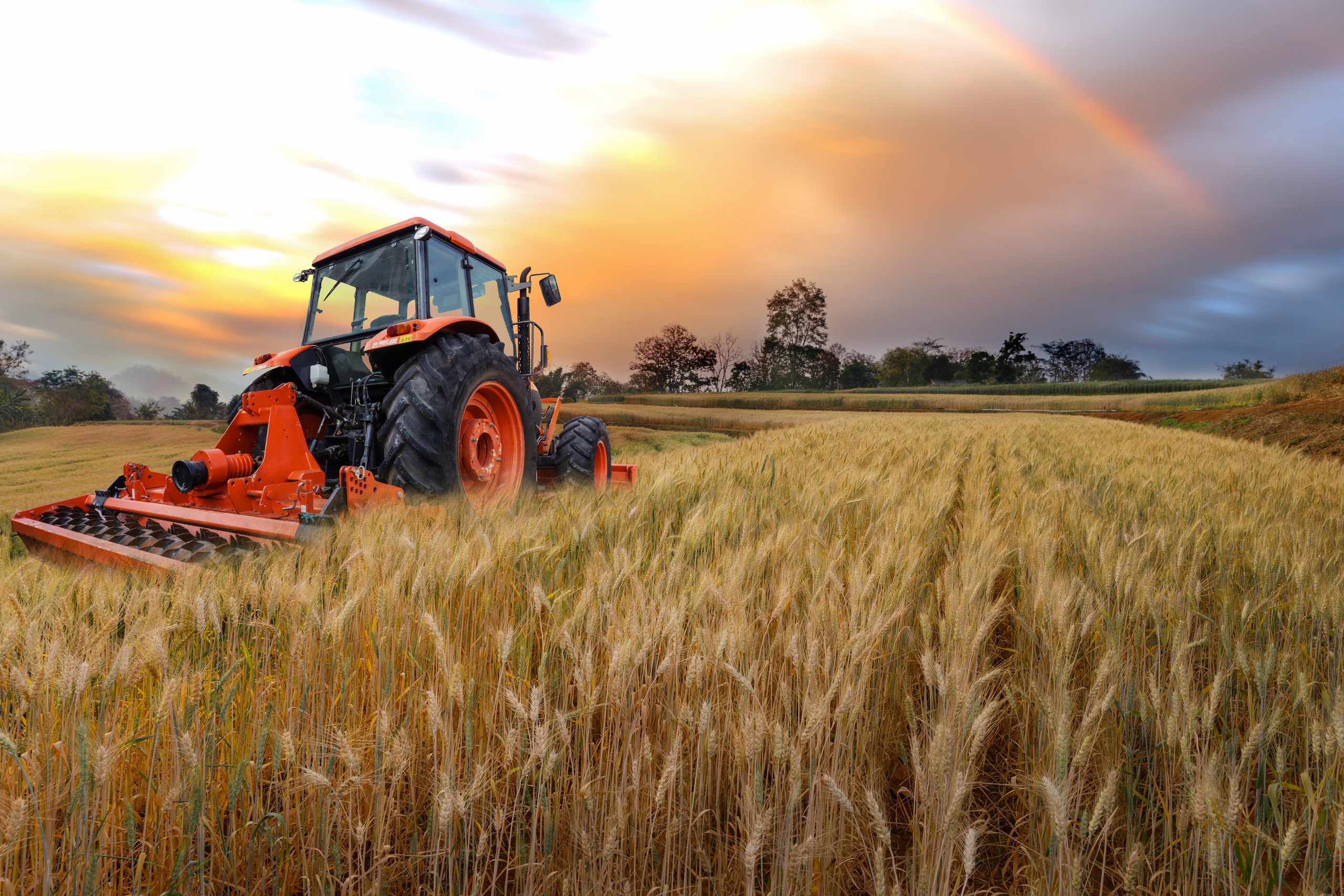
Row-crop and high-horsepower ag equipment put very different demands on tires than compact tractors and lawn equipment. This guide focuses on full-size agricultural tractors and field work, including traction, flotation, compaction control, and durability for long days in real-world conditions.
If you already know you need ag tires, you can shop tractor tires to see available options, or contact our team for fitment help if you want confirmation before ordering.
Quick guide to common tractor tire types
Tractor tires are usually grouped by tread category, plus build and technology choices like radial vs bias and IF/VF.
A simple way to think about the main tractor tire types:
- R-1 (Ag Lug): the most common “field traction” tread for general farming conditions.
- R-1W (Deep Lug): similar to R-1, but deeper tread for wet fields and longer wear.
- R-2 (Rice and Wet Ground): very deep lugs designed for muddy, saturated conditions.
- IF/VF (Increased/Very High Flexion): technology that helps carry more load at lower pressure for improved flotation and reduced compaction.
- Radial vs Bias: construction choice that changes ride comfort, footprint, traction consistency, and wear.
If you want to browse tire categories beyond tractor tires, start here:
R-1 tractor tires for everyday field traction
R-1 is the classic ag lug tread used on many row-crop tractors and general farming setups. The lug pattern is designed to bite into soil and clean out reasonably well as the tire rotates.
Best for:
- Typical field conditions with mixed soil moisture
- General tillage and planting work
- Operations that want a balance of traction and wear
Considerations:
- On consistently wet ground, standard R-1 can lose efficiency sooner than deeper-tread options.
- If you spend a lot of time on roads or hard surfaces, your wear rate may influence the decision as much as traction.
More detail here: R-1 tractor tires explained
R-1W tires for wet fields and longer wear
R-1W is a common upgrade when conditions are softer or wetter, or when you want more tread depth.
Why growers choose R-1W:
- Better bite in soft soil
- Improved performance in wet field conditions compared to standard R-1
- Often preferred when wear life is a top concern
When it matters most:
- Spring fieldwork with higher moisture
- Areas with heavier soil or frequent rain
- Operators who want stronger traction without moving all the way to R-2
Side-by-side comparison: Compare R-1W vs R-1
R-2 tractor tires for rice and wet ground
R-2 tires are built for the kind of conditions where most ag lugs struggle, including muddy, saturated fields. They are designed for strong self-cleaning and traction in extreme moisture.
Best for:
- Wet ground and muddy conditions
- Rice production and similar environments
- Situations where traction loss causes costly delays
Important to know:
- R-2 can be excessive for normal field conditions.
- If your ground is only occasionally wet, R-1W may be the better balance.
Learn more: R-2 rice and wet field tractor tires
IF vs VF: technology for flotation and compaction control
IF and VF are not tread types. They are technology standards that change how a tire carries load.
- IF (Increased Flexion): supports more load at the same pressure or the same load at lower pressure than standard tires.
- VF (Very High Flexion): allows even more load capacity at reduced pressure in many applications.
Why it matters for ag equipment:
- Lower operating pressures can increase footprint and improve flotation.
- Better flotation can reduce rutting and help preserve soil structure.
- Reduced compaction can support yield goals over time.
This is especially relevant for heavier tractors and demanding workloads where consistent performance matters.
Deep dive: IF vs VF tractor tires explained
Radial vs bias tractor tires
This is one of the most common “how do I choose” questions because it affects comfort, traction consistency, and long-term value.
Radial tractor tires
Radial construction often provides:
- A larger, more consistent footprint
- Better ride quality and reduced operator fatigue
- Often improved traction and reduced slip in many conditions
- Frequently, longer tread life in the right application
Bias tractor tires
Bias construction is often chosen for:
- Lower initial cost
- Certain specialized use cases where sidewall characteristics are preferred
- Operations where budget and short-term needs drive the decision
The best choice depends on your workload, field conditions, road travel, and whether you prioritize long-term wear or upfront cost.
More detail: Radial vs bias tractor tires
Choosing the right tractor tire type for your operation
When you choose a tire type, you are balancing traction, flotation, wear, and risk of downtime.
1) Field conditions and moisture
- Typical conditions often favor R-1.
- Regular wet fieldwork often favors R-1W.
- Consistently saturated conditions can justify R-2.
2) Load demands and soil impact
Heavier equipment, bigger implements, and high load requirements can make IF/VF a meaningful upgrade for flotation and compaction control.
3) Road travel versus field time
If you travel often on roads, wear rate and ride quality can become major decision drivers, especially when choosing between radial and bias.
4) Total cost, not just price
Think about:
- Wear life
- Traction efficiency (less slip can mean less wasted fuel and time)
- Downtime risk during planting or harvest windows
- Soil impact across seasons
If you want to sanity check your selection, contact our team for fitment help and share your current size, tractor model, and typical conditions.
Common tractor tire questions
What tire type is best for general farming?
For many operations, R-1 is a solid baseline. If you frequently work in wet soil or want more tread depth, R-1W is a common next step.
Do I need R-2 tires for wet fields?
Not always. If wet conditions happen occasionally, R-1W may be the better balance. R-2 is most useful when mud and saturated ground are routine, and traction loss creates real delays.
What is the advantage of VF tires?
VF technology can support high loads at lower pressures, often improving flotation and reducing compaction. This matters most on heavier tractors and demanding workloads.
Is radial always better than bias?
Radial is often preferred for ride and footprint benefits, but the right choice depends on your use case, budget, and priorities.
Can you help me confirm the right type and size?
Yes. If you share your current tire size and equipment details, we can help you narrow down the right category and fitment before you order.
Shop tractor tires or get fitment help
Browse available options here:
If you want a recommendation based on your equipment and conditions, reach out here: