
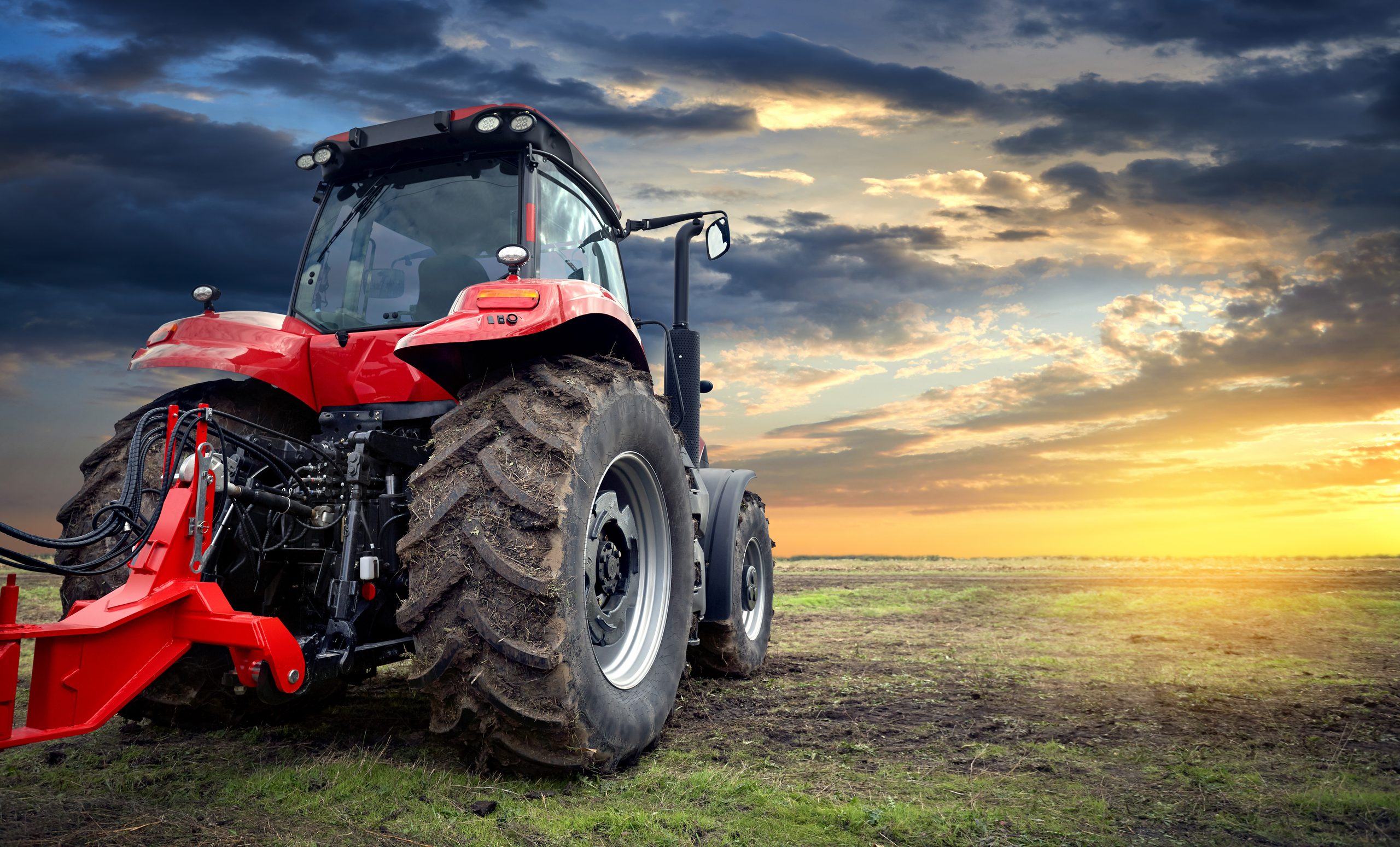
Choosing between radial and bias tractor tires is one of the most important decisions you can make after tread type, because construction affects how the tire behaves under load, how it rides, and how it wears over time.
This guide focuses on full-size agricultural tractors and field work, not compact tractors or lawn equipment. If you already know your size and want to browse options, start here:
Quick answer: What is the difference?
The difference comes down to how the layers inside the tire are built.
- Radial tractor tires are designed to flex differently in the sidewall and maintain a more consistent footprint.
- Bias tractor tires are built with a different ply layout, which can make them feel stiffer and behave differently under load.
Both can work, but the best choice depends on how you use your equipment and what you value most.
If you are still deciding tread categories first, visit: Tractor tire types and applications
Why construction matters in the field
Footprint and traction consistency
A stable footprint can help improve traction and reduce unnecessary slip. Construction affects how the tire contacts the ground under real load, not just how it looks in the shop.
Ride comfort and operator fatigue
Long days in the field add up. The way the tire absorbs bumps and vibration can affect comfort, control, and fatigue over time.
Wear life and long-term value
Some setups prioritize lower upfront cost. Others prioritize the total hours and seasons they can get out of the tire while maintaining performance.
Radial tractor tires: what they are best for
Radial tractor tires are often chosen for operations seeking a blend of traction, comfort, and longer wear.
Common reasons growers choose radial
- Better ride quality for long days and mixed terrain
- Strong footprint stability for consistent pulling performance
- Often improved wear characteristics in many applications
- A solid choice when field performance and comfort matter as much as price
When radial can be the better fit
- Heavy fieldwork where consistent traction helps reduce slip
- Larger tractors and high-load pulling applications
- Operations that want the best overall “workday” feel and control
Radial construction is often paired with R-1, R-1W, and other ag tread types depending on conditions.
Bias tractor tires: what they are best for
Bias tractor tires are commonly chosen when budget, durability preferences, or specific operating patterns make them a better match.
Common reasons growers choose bias
- Lower initial cost in many cases
- A construction feel that some operators prefer in certain use patterns
- Practical for operations where comfort is not the top priority
When bias can make sense
- Equipment that does not run long hours at a time
- Setups where upfront cost is the main driver
- Applications where the operation prefers the handling and stiffness characteristics
Bias is not “bad”, it is just different. The best choice is the one that matches how the tractor actually works.
Radial vs bias: how to decide in real life
Here are the questions that usually lead to the right answer:
1) How many hours does the tractor work during peak windows?
If you put in long days during planting or harvest, ride quality and traction efficiency often push the decision toward radial.
2) How heavy is the typical pull load?
Higher load demands make footprint stability more important. This is where radial can shine.
3) How much time is spent on roads or hard surfaces?
Road travel can change wear priorities and comfort priorities. It can also increase the importance of a stable, predictable ride.
4) Are you optimizing for total value or initial cost?
If the goal is the best long-term performance and wear, radial often wins. If initial cost is the top priority, bias can be practical.
Radial vs bias FAQs
Is radial always better than bias?
Not always. Radial is often preferred for traction consistency and comfort, but the right choice depends on budget, workload, and operating conditions.
Which one lasts longer?
It depends on how you use the tire, but many operations see longer service life from radial in demanding field applications. Wear life still depends on load, pressure, and surface conditions.
Should I choose radial or bias for wet fields?
Wet-field traction is strongly influenced by tread type. In wet conditions, deeper tread like R-1W or R-2 may matter more than construction. However, construction can still affect footprint behavior under load.
Can you help me decide based on my equipment?
Yes. Share your current tire size, tractor model, and how you use the tractor, and we can help narrow down the best choice.
Shop tractor tires or get fitment help
Browse available tractor tires here:
If you want help confirming construction choice and fitment, reach out here: